The Most Satisfying Jamaican Food for Any Occasion
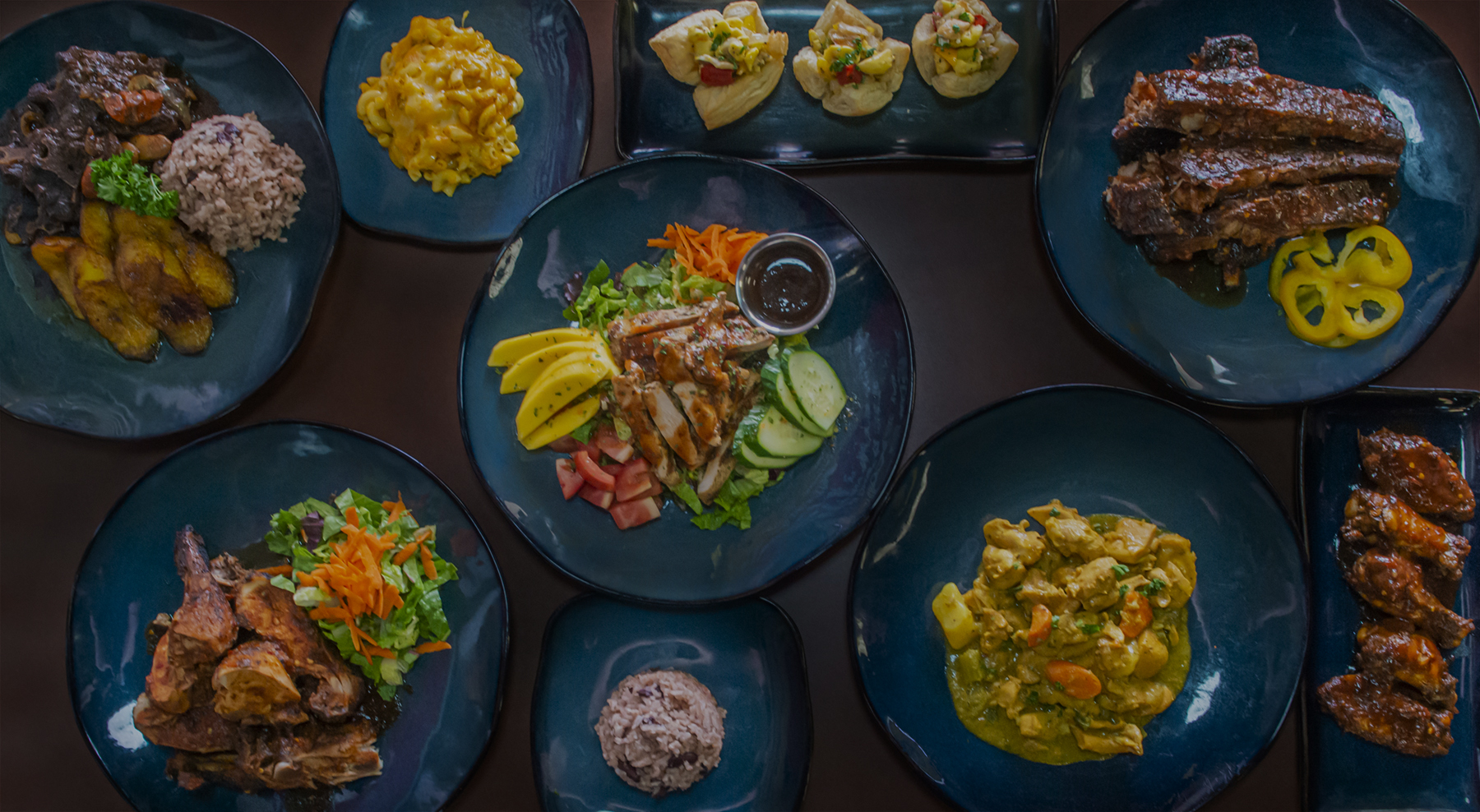
Jamaican food has a way of meeting the moment. It can be festive without feeling fussy, deeply comforting without turning heavy, and bold enough to make a weeknight dinner feel like an event. That range is part of what makes it so memorable. A proper Jamaican meal does not rely on one note. It balances heat, sweetness, smoke, acid, starch, and richness in a way that feels complete, whether you are feeding a crowd after a family gathering or trying to put one excellent plate on the table at the end of a long day.
People often meet Jamaican cuisine through a few famous dishes, usually jerk chicken or patties, and stop there. Those dishes deserve their reputation, but they are only the beginning. Some of the most satisfying Jamaican food is quiet rather than flashy, built from slow cooking, careful seasoning, and ingredients that know exactly what they are doing. Rice and peas can carry a whole meal. A bowl of mannish water can revive the room after a celebration. Escovitch fish can feel light and generous at the same time. Even a simple breakfast of ackee and saltfish, done properly, has the kind of flavor and texture that lingers in the memory for years.
What makes these dishes especially useful is that they suit different occasions so well. Some belong at Sunday dinner. Some are made for roadside eating, wrapped warm in paper. Some are best when the weather is damp and everyone wants something hot and fortifying. Some show up at parties because they hold their texture, keep their flavor, and make people happy almost instantly. If you know which dishes fit which setting, Jamaican food becomes more than a cuisine you admire. It becomes one of the most reliable ways to feed people well.
Why Jamaican food satisfies so deeply
The answer starts with seasoning. Jamaican cooking uses layers, not shortcuts. Scotch bonnet brings heat, but also fruitiness. Thyme, scallion, pimento, garlic, ginger, onion, and allspice work together instead of competing. Browning, fresh herbs, citrus, and stock add another dimension. Salt is used with intention. So is sweetness, whether from caramelized onions, ripe plantains, coconut milk, or a glaze on grilled meat. When a dish is handled by someone experienced, none of those elements feel random. They land in sequence.
Texture matters just as much. One of the reasons Jamaican food feels so complete is that a good meal often combines crispness, tenderness, softness, and chew in the same sitting. Think of fried plantain beside stew peas, or festival with escovitch fish, or a flaky patty crust giving way to spiced filling. That contrast keeps a meal from becoming one-dimensional. You stay engaged. You go back for another bite because the next mouthful might bring something smoky, something creamy, or a little flash of pepper vinegar.
Then there is the role of time. Many of the most beloved Jamaican dishes are not rushed. Curry goat improves when it simmers low and slow until the connective tissue gives up and the gravy thickens naturally. Oxtail needs patience to become silky rather than merely soft. Soup demands enough time for provisions to flavor the broth and for the broth to flavor the provisions back. Satisfaction often comes from that exchange. The ingredients stop tasting separate and begin tasting inevitable.
For celebrations, jerk still earns its place
If the occasion involves a backyard, music, and more than six hungry people, jerk is hard to beat. It is one of the most recognizable forms of Jamaican food for good reason. Done over pimento wood, the flavor carries smoke, spice, sweetness, and char in a way that makes people gather near the grill without being called. Even when made on a standard grill or in the oven, a well-balanced jerk marinade can deliver enormous flavor if the meat is given enough time to absorb it.
Jerk chicken is the most common choice because it cooks relatively quickly and appeals to almost everyone. Thighs and leg quarters tend to give the best result. They stay juicy, hold the seasoning, and forgive slight timing errors better than breast meat. A strong jerk should have visible thyme, scallion, garlic, and pepper in the marinade, with enough allspice to announce itself without turning medicinal. The heat should be assertive but not punishing. Good jerk does not only burn. It perfumes.
For larger events, jerk pork often becomes the dish people remember most. Properly cooked, it offers a richer bite than chicken, with crisp edges, rendered fat, and a tenderness that works especially well with festival or hard dough bread. It also pairs beautifully with roasted breadfruit or simple rice and peas. There is a practical reason it appears so often at casual gatherings: it holds up well. Even after resting, the flavor remains vivid, and the meat can be chopped and served in portions without losing its appeal.
The smartest hosts know that jerk needs the right companions. Rice and peas cool the spice and anchor the plate. Coleslaw adds crunch and freshness. Fried plantain rounds out the edges. A little pepper sauce on the side lets the people who want extra heat go looking for it without forcing the issue on everyone else. That balance is one reason jerk works so well for mixed groups. It gives intensity, but it also leaves room for adjustment.
For Sunday dinner, braised dishes lead the table
There is a different kind of satisfaction in a Sunday meal, the sort that expects people to sit down, take their time, and possibly go back for seconds after saying they were full. In that setting, braised Jamaican dishes are often unmatched.
Oxtail is one of the great examples. When it is done right, the sauce should be glossy and full-bodied, not greasy or thin. The meat should be tender enough to pull apart with minimal effort, but not cooked into shapelessness. Broad beans are common in the finished dish, adding another texture and a subtle earthiness that helps break up the richness. Served over rice and peas, oxtail has a way of silencing a table for the first few bites. That tells you nearly everything you need to know.
Curry goat brings a different mood. It is fragrant https://www.google.com/maps?cid=36489603840858277 and warming, with more spice complexity than direct heat. The best versions do not taste like generic curry powder. They taste developed. You notice thyme, garlic, scallion, ginger, and pepper beneath the curry itself, and the goat carries a distinct savory depth that stands up well to all that seasoning. This dish belongs at birthdays, holiday tables, reunions, and any meal where people are meant to linger. It also improves overnight, which makes it a gift to cooks planning ahead.
Brown stew chicken deserves more respect than it sometimes gets. Because it is common, people can overlook how satisfying it is when made with care. The chicken is seasoned, browned, then simmered with onions, peppers, tomatoes, herbs, and enough liquid to create a rich gravy. The result is familiar in the best sense of the word. It is deeply homey, excellent with white rice, and easier to execute well than some of the more elaborate showpiece dishes. When feeding a broad range of ages and preferences, brown stew chicken often wins because nobody feels left out by it.
For breakfast or brunch, ackee and saltfish has no equal
Few dishes say Jamaica more clearly than ackee and saltfish. It is the national dish, but that title can make it sound ceremonial when it is actually intimate, practical, jamaican food and deeply satisfying. At its best, it feels both hearty and light. The ackee, when properly prepared, has a delicate, buttery texture that resembles soft scrambled eggs at a glance but tastes entirely its own. Saltfish brings the necessary firmness and salinity. Onion, tomato, scallion, thyme, and Scotch bonnet sharpen and brighten the whole thing.
This is a dish that rewards restraint. Overcook the ackee and it can break apart too much. Overseason the pan and you lose the balance. Leave the saltfish too salty and the meal becomes tiring halfway through. The best plates hold together without feeling manipulated. Each bite should bring softness from the ackee, savory chew from the fish, and a little freshness from the vegetables.
Ackee and saltfish is especially good for brunch because it feels substantial without sending everyone straight to sleep. Pair it with fried dumplings, roasted breadfruit, boiled green bananas, or even plain slices of hard dough bread, and it becomes a complete meal. For people who have never tried it, this is often the dish that changes their understanding of Jamaican food. It is not loud. It is assured.
When comfort is the goal, soups and one-pot cooking take over
There are days when the most satisfying meal is not the most dramatic one. It is the bowl that steadies you. Jamaican soups are built for that job. They are often substantial enough to count as full meals, with provisions, meat, dumplings, herbs, and broth that has picked up hours of flavor.
Chicken foot soup is a favorite for many because it combines body, spice, and gelatin-rich texture in a way that feels restorative. Pumpkin soup, especially when blended into the broth, gives sweetness and depth. Yams, carrots, cho cho, yellow yam, and spinners make the bowl feel complete. The point is not delicacy. The point is nourishment, warmth, and satisfaction that lasts.
Red peas soup is another standout, especially on a rainy day or at the end of a tiring week. With kidney beans, salted meat or beef, coconut milk in some versions, and dumplings and ground provisions, it lands somewhere between soup and a full stew. It is generous food. You do not need much alongside it, which is one reason it has remained so beloved in homes where practical cooking still matters.
Stew peas deserves mention here too. Though not technically a soup, it delivers the same kind of comfort. Kidney beans, coconut milk, pigtail or beef, herbs, and spinners come together into something thick and deeply savory. Served with white rice, it tastes like the answer to a hard week.
For seafood lovers, freshness and sharp contrasts matter
Jamaica handles seafood with confidence, and some of the most satisfying dishes in the cuisine depend on contrast rather than heaviness. Escovitch fish is a perfect example. A whole fish, often snapper, is seasoned, fried until the skin crisps, then topped with a hot dressing of vinegar, onions, carrots, and Scotch bonnet peppers. The acidity cuts through the richness of the fried fish, and the vegetables soften just enough to lose their raw edge while keeping some crunch.
This is one of those dishes that feels equally right at lunch near the sea or at a serious family meal. It wakes up the appetite instead of weighing it down. Serve it with bammy and the pairing becomes even more satisfying. Bammy, made from cassava, has a mild flavor and chewy, absorbent texture that soaks up juices without disappearing into them. Fried or steamed, it belongs on more tables than it currently reaches.
Pepper shrimp, especially the famous style associated with roadside vendors in Middle Quarters, offers another kind of pleasure. It is fiery, briny, and immediate, the sort of food that seems to sharpen conversation. This is not the dish for people who want timid seasoning, but for spice lovers it can be unforgettable. The key is freshness and confidence. If the shrimp is not good, no amount of pepper can rescue it.
For quick eating, patties and street food do real work
Not every occasion calls for a plated meal. Sometimes satisfaction needs to happen in fifteen minutes, standing up, between errands, or on the way home. Jamaican patties thrive in that space. A good patty has a crust that flakes without turning dusty, and a filling that is moist, well-seasoned, and distinct. Beef is the classic, but chicken, vegetable, and even ackee versions have their place.
The patty matters because it shows how Jamaican food carries its identity into fast eating without losing quality. There is technique in that pastry. There is judgment in the seasoning. And there is real comfort in a hot patty with cocoa bread, especially when the filling has enough pepper to stay lively but not so much that it overwhelms.
Festival belongs in this conversation too. Slightly sweet, golden, and crisp on the outside, soft inside, it works alongside fish, jerk, sausages, or as a snack on its own. Good festival is often underestimated until people start reaching for a second one. The sweetness is subtle, which is exactly why it works. It offsets salt and spice without becoming dessert.
For vegetarians and lighter meals, Jamaica offers more than side dishes
One common misconception is that Jamaican food is only about meat. In practice, some of the most satisfying plates can lean heavily on vegetables, legumes, and starches. Rice and peas alone, if cooked in proper coconut milk with thyme, scallion, and enough seasoning, can carry more flavor than many main courses. Add callaloo sautéed with onion, garlic, tomato, and a little pepper, and you have a meal with real substance.
Steamed cabbage is another quiet success. It can be simple, but when lightly cooked with carrots, bell peppers, thyme, and black pepper, it brings sweetness and freshness that brighten richer plates or stand on their own beside rice. Fried plantain, roasted breadfruit, boiled dumplings, and green bananas extend the options even further. These are not afterthoughts. They are part of the logic of the cuisine.
Ital cooking, associated with Rastafarian traditions, deserves attention here. While styles vary, ital food often emphasizes natural ingredients, minimal processing, and careful seasoning. A well-made ital stew, with pumpkin, beans, coconut milk, callaloo, and provisions, can be every bit as comforting as a meat-based dish. Satisfaction does not always depend on richness. Sometimes it comes from clarity.
The side dishes that decide whether a meal is merely good or truly memorable
People talk about main dishes first, but anyone who cooks Jamaican food regularly knows the sides often determine the success of the whole meal. Rice and peas is the obvious example. It should not be mushy, bland, or drowned in coconut. It should be separate, fragrant, and seasoned all the way through. The peas should hold their shape. The coconut should support rather than dominate. A mediocre version can flatten an excellent main dish. A great version lifts everything around it.
Plantain does similar work. Too under-ripe and it tastes starchy. Too far gone and it can collapse into sweetness with no structure. The sweet spot is where the edges caramelize while the center stays soft. That little concentration of sugar against a spicy or savory main can transform a plate.
Then there is breadfruit, one of the most versatile and underappreciated starches in the Caribbean. Roasted breadfruit with a little butter or salt fish can be deeply satisfying, but it also works with jerk, steamed fish, or simple vegetables. Its flavor is mild, but its texture is substantial enough to make a meal feel finished.
Matching the dish to the occasion
A smart cook does not ask only what tastes good. The better question is what tastes right here, with these people, at this time. Jamaican food offers unusually good answers because it spans so many moods.
For birthdays, reunions, and informal parties, jerk chicken, jerk pork, festival, and patties make practical sense. They scale well, they keep people moving, and they carry a festive energy. For quieter family meals, brown stew chicken, oxtail, curry goat, and rice and peas create the kind of settled pleasure people associate with home. For mornings that deserve more than toast and coffee, ackee and saltfish turns breakfast into an event without making it precious. For rainy days or recovery days, soups, stew peas, and red peas soup provide the kind of comfort that only slow cooking can produce.
That flexibility explains why Jamaican food remains so emotionally resonant for so many people, including those far from the island. It is not a cuisine trapped in one setting. It belongs at the roadside, at the beach, at church gatherings, at family tables, at small takeout counters, and at serious restaurants. It can be celebratory, humble, fiery, restorative, or elegant, sometimes in the same weekend.
What to order first if you want the fullest picture
If someone wants a strong first impression of Jamaican food, the best approach is not to chase the hottest or heaviest plate immediately. It is to notice the balance across a meal. Start with jerk chicken or escovitch fish if you want something vivid and accessible. Try ackee and saltfish if breakfast or brunch is an option. Sit down with oxtail or curry goat when time allows for a slower, fuller meal. And never treat the sides as filler. Rice and peas, fried plantain, bammy, festival, and callaloo are part of the story, not decoration.
There is a reason people become loyal to these dishes. They are built to satisfy on several levels at once. They fill you up, certainly, but they also wake up the palate, reward attention, and hold onto memory. One plate can taste smoky, sharp, creamy, sweet, and hot, yet still feel coherent. That is not an accident. It is the result of a cooking tradition that knows how to make flavor feel both generous and grounded.
The most satisfying Jamaican food for any occasion is, finally, the food that understands the occasion itself. Some days call for smoke and celebration. Some call for broth and quiet. Some call for a flaky patty eaten in traffic with no ceremony at all. Jamaican cuisine meets all of those moments with confidence, and very often with more flavor than seems fair.
Reggae Pot Jamaican Grill
7562 S University Blvd C, Centennial, CO 80122
(303) 997-5623
FAQ About jamaican food
What is the best Jamaican food to try in Centennial?
The best choice depends on your preferences. Reggae Pot Jamaican Grill offers jerk chicken, curry goat, oxtail, and escovitch snapper, along with sides such as rice and peas and fried plantains. Ask the restaurant about current availability and spice levels before ordering.
Is Jamaican food very spicy in Centennial?
Heat varies by dish and preparation. Jerk dishes can be hot, while some stews and sides are milder. Tell the restaurant your preferred heat level and ask which options suit you.
What is typically on a Jamaican menu?
Common choices include jerk chicken, curries, oxtail, fish, patties, rice and peas, and plantains. Reggae Pot also lists ackee and saltfish and vegetable dishes. Menus and availability can change, so confirm your choices when ordering.